
A Comprehensive Guide to Stainless Steel Pipe and Tube Manufacturing
Blog post description.
Sumanta Chand
12/24/20243 min read
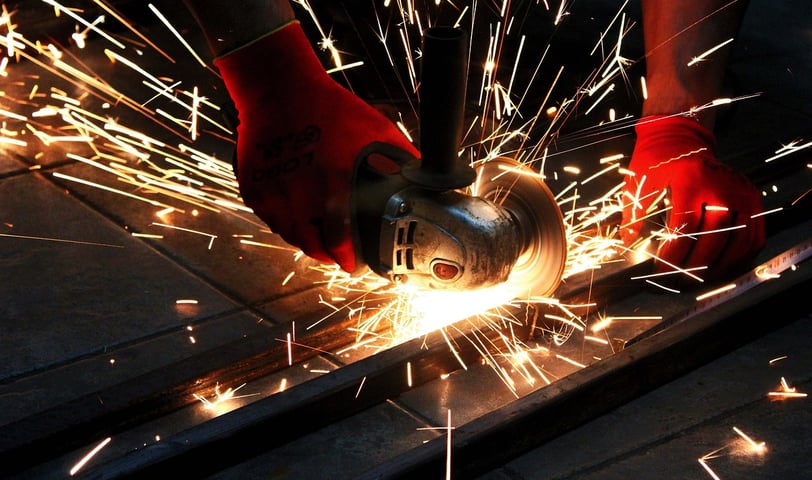
Stainless steel pipes and tubes are indispensable components in industries ranging from construction and oil & gas to chemical processing and infrastructure development. The manufacturing of stainless steel pipes and tubes requires precision, expertise, and advanced technology to ensure superior quality and performance. This guide delves into the intricate details of the manufacturing process, covering critical technical aspects for professionals and industry experts.
1. Raw Material Selection and Preparation
The manufacturing process begins with selecting the appropriate grade of stainless steel. Commonly used grades include:
· Grade 202: Known for its affordability and corrosion resistance, it is often used in light-duty applications such as furniture and home appliances.
· Grade 304: The most widely used stainless steel, appreciated for its excellent corrosion resistance and versatility in both industrial and domestic applications.
· Grade 316: Superior corrosion resistance due to its molybdenum content, making it ideal for marine, chemical, and high-temperature environments.
Each raw material—stainless steel billets, plates, or coils—undergoes rigorous inspection to detect surface defects, cracks, or impurities. Once inspected, the materials are cleaned using mechanical or chemical methods to remove dirt, oil, and oxidation.
2. Cutting and Forming
The cleaned raw material is cut into required lengths using advanced cutting techniques:
· Plasma Cutting: High precision and efficiency for thicker materials.
· Laser Cutting: Ideal for thinner materials with complex shapes.
· Mechanical Sawing: Used for simpler, bulk cutting requirements.
The cut pieces are then passed through forming machines, such as CNC-controlled hydraulic presses or roll formers, to shape them into cylindrical tubes. This stage ensures the required curvature and dimensions are achieved accurately.
3. Tube Mill Setup
The tube mill plays a pivotal role in producing high-quality stainless steel pipes and tubes. Key considerations during mill setup include:
· Speed Calibration: Ensuring the appropriate speed to minimize defects.
· Voltage and Current Settings: Optimized to produce a smooth, seamless surface free from irregularities or welding lines.
· Roller Alignment: Proper roller alignment prevents uneven thickness and dimensional inconsistencies.
4. Rolling Process
For seamless pipes, the rolling process involves hot extrusion or piercing:
· Hot Extrusion: Stainless steel billets are heated to a specific temperature and passed through a die to form the pipe.
· Piercing Process: A rotary piercing mill creates hollow pipes from solid billets.
The rolling process ensures uniform diameter and wall thickness across the length of the pipe.
5. Welding (For Welded Pipes)
For welded pipes, edges are joined using advanced welding techniques:
· TIG Welding (Tungsten Inert Gas): Preferred for its precision and high-quality welds.
· Plasma Welding: Suitable for thin-walled pipes requiring a smooth finish.
The welding process is conducted under a protective atmosphere of 99.9% pure Argon gas to prevent oxidation. Non-destructive testing (NDT) methods, such as X-ray or ultrasonic testing, are used to inspect weld quality and detect imperfections.
6. Heat Treatment
Heat treatment is a crucial step to enhance the mechanical and chemical properties of stainless steel pipes:
· Annealing: Pipes are heated to temperatures between 1040°C and 1120°C, then cooled gradually to relieve internal stresses and improve ductility.
· Solution Treatment: Common for grades like 316, it involves rapid cooling to prevent carbide precipitation, thereby enhancing corrosion resistance.
Cooling methods, such as air cooling or water quenching, are selected based on the grade and application.
7. Machining and Surface Finishing
After heat treatment, pipes undergo machining to achieve the desired specifications. Key processes include:
· Cutting: Precision cutting to achieve specific lengths.
· Threading: Adding threads for pipes used in connections.
· Chamfering: Smoothing the pipe ends to prevent sharp edges.
Surface finishing involves:
· Polishing: Achieving finishes like mirror or brushed based on application requirements.
· Grinding: Smoothing out imperfections for a consistent surface.
· Cleaning: Using chemical or ultrasonic methods to remove residues and impurities.
8. Inspection and Quality Testing
Stringent quality checks ensure the pipes meet international standards such as ASTM A312. Common tests include:
· Hydrostatic Testing: Pipes are pressurized with water to check for leaks or structural weaknesses.
· Ultrasonic Testing: Detects internal inconsistencies or defects.
· Radiographic Testing: Examines weld integrity and pipe uniformity.
· Eddy Current Testing: Identifies surface and subsurface defects in a non-destructive manner.
9. Packaging and Delivery
Once the pipes pass quality checks, they are prepared for shipment. The packaging process involves:
· Wrapping pipes in protective materials such as plastic films to prevent scratches or moisture damage.
· Using wooden crates or steel straps for bundling and secure transportation.
· Labeling with critical details, including grade, size, and quality certification.
The packaged pipes are then loaded carefully to ensure safe transit, adhering to industry guidelines for handling and transportation.
Conclusion
The stainless steel pipe and tube manufacturing process is a complex interplay of precision engineering, rigorous testing, and meticulous quality control. Each step—from material selection to packaging—ensures the production of pipes and tubes that meet the highest standards of durability and performance. With their unparalleled strength and corrosion resistance, stainless steel pipes remain a cornerstone of modern industry and infrastructure.
Whether you’re an industry professional, supplier, or end-user, understanding this detailed process highlights the expertise and innovation behind every stainless steel pipe and tube.
Contacts
a BENGAL STEEL INDUSTRIES brand
contact@vishaan.in
8584075192 / 9002562221
1st Floor, Subhash Bhawan, 99 Karbala Road, Cossimbazar, Berhampore, Murshidabad, West Bengal 742102
Page links